













The history of Italian cycling is rich with races that are no longer held but have made history: for this reason, we thought of proposing a new column to bring them out of the memory drawer. If you have an archive photo in a drawer, a newspaper clipping, or wish to tell the story of this or that race, do not hesitate to write to us at info@tuttobiciweb.it or daniloviga@gmail.com. Enjoy reading.
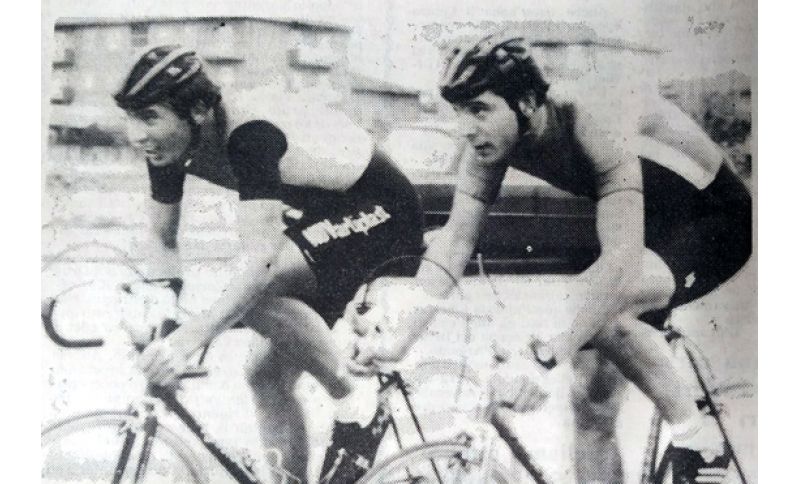
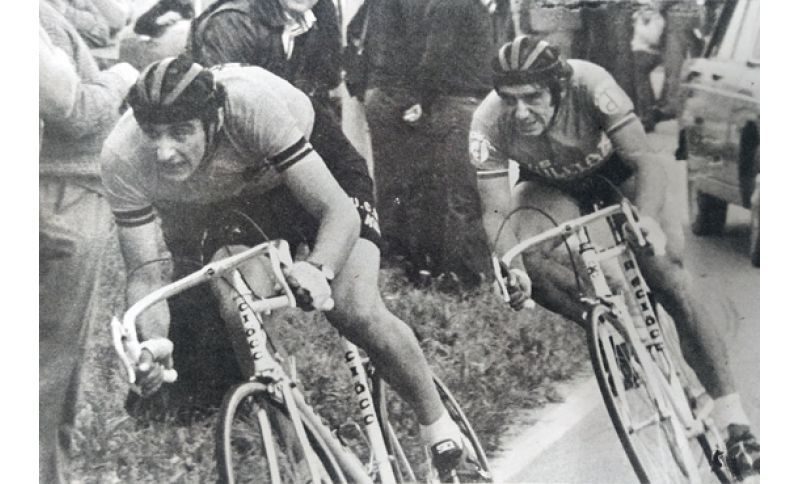
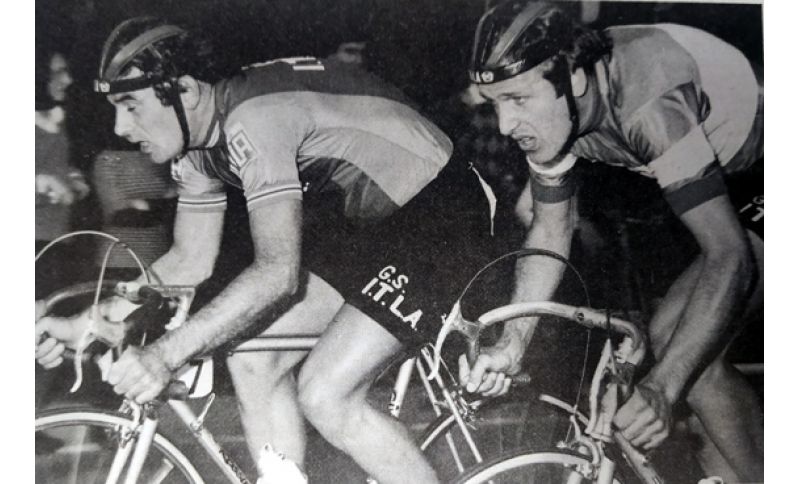
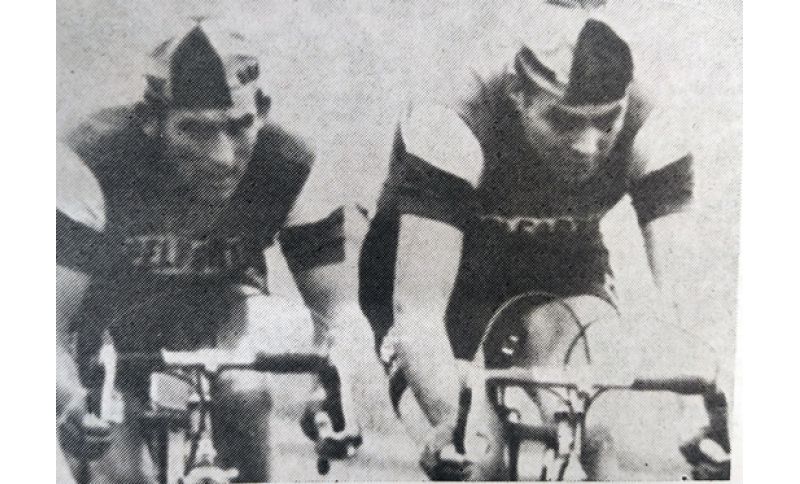
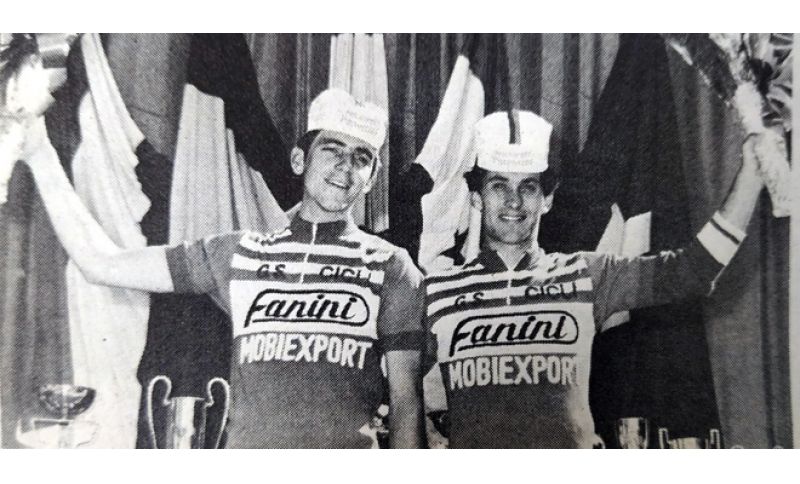
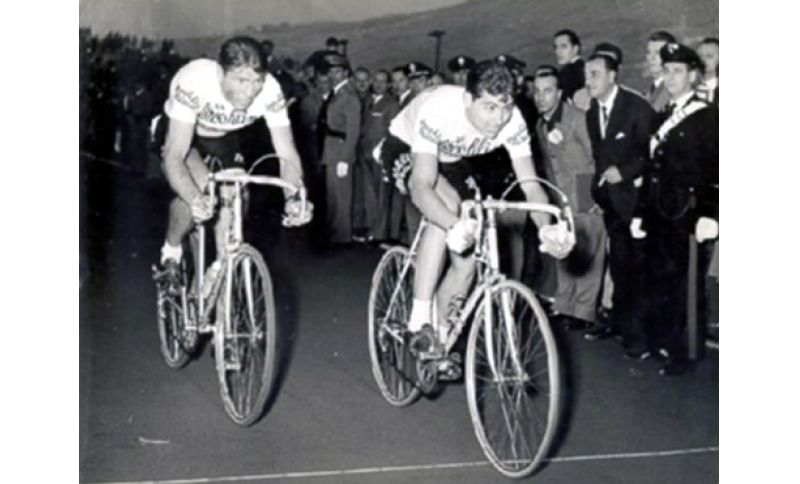
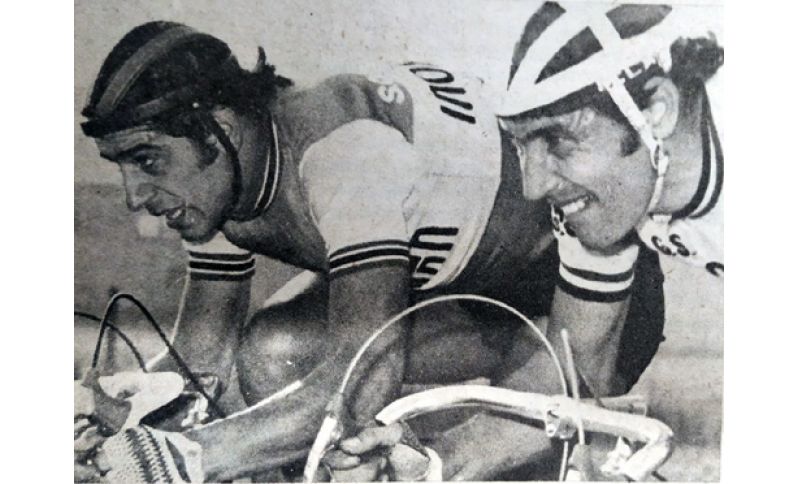
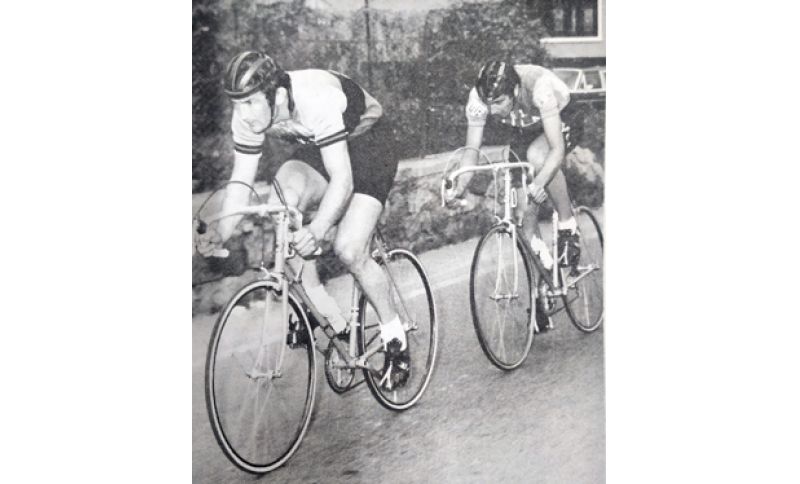
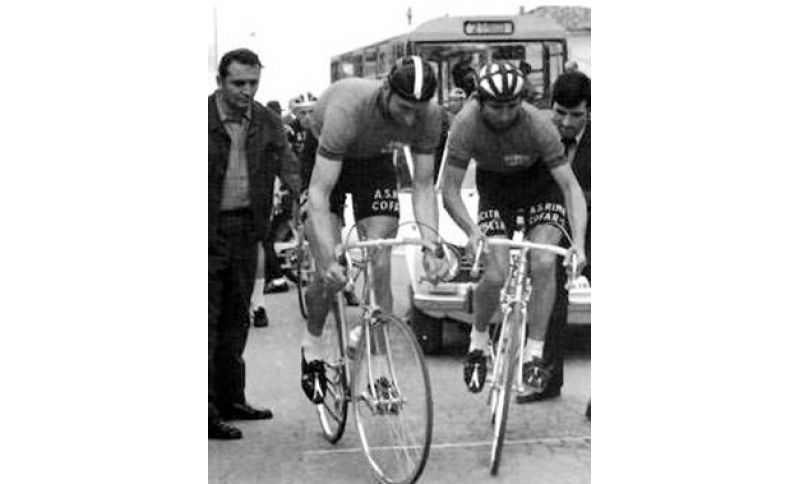
The Trofeo Argo and Trofeo Valco can be summarized in one word: Trofeo Baracchi for amateurs. Patron Mino Baracchi, alongside the iconic team time trial for professionals, collaborated with the managers of Valco, a company known for pressure cookers and small pans. The smaller Baracchi, organized by the Ciclistica Angelo Baracchi (father of Giacomo, known as Mino), served as a prologue to the professional race. Most often starting from Piazza Vecchia in Bergamo and ending at the Municipal Stadium in Brescia. The pairs started at 3-minute intervals for a total of 110 kilometers.
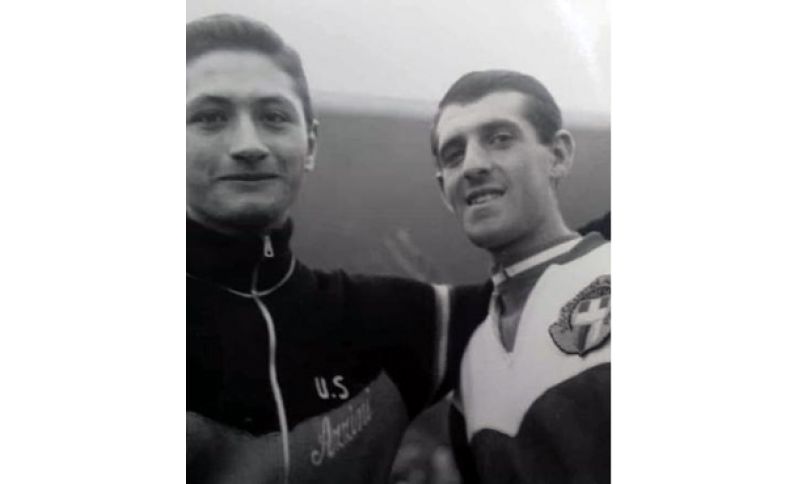
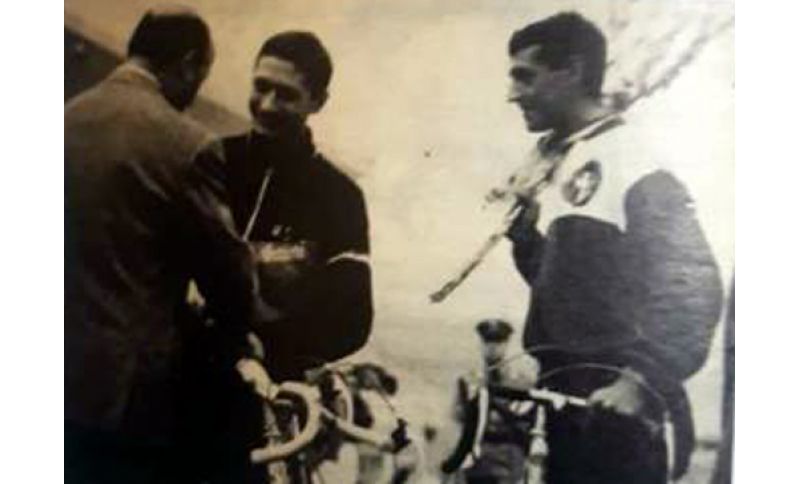
It was the Trofeo Argo, in 1958, that launched the team time trial. The hypothetical first edition was won by Ernesto Bono and Livio Trapè who triumphed by far with 3'22" over Tomasin-Vanzella and 7'48" over Gasparella-Bailetti. The following year, Livio Trapè repeated but with Romeo Venturelli by his side. At over 44 km/h, they beat Adami-Brugnani by 2'28" and Zanchetta-Fontana by 5'52". Incredible was the success of Giuseppe Fezzardi and Marino Vigna in the 1960 edition. The two amateurs raced alongside professionals, obtaining the best overall time on the 110 km course. Fezzardi and Vigna finished the race 1'11" ahead of Trapè-Magnani and 3'02" ahead of Testa-Arienti. The Trofeo Argo was also held in '61 with Antonio Tagliani and Ugo Aldovini beating the French Le Hec-Saint, second at 50", and Fantinato-Vendemmiati third at 56".
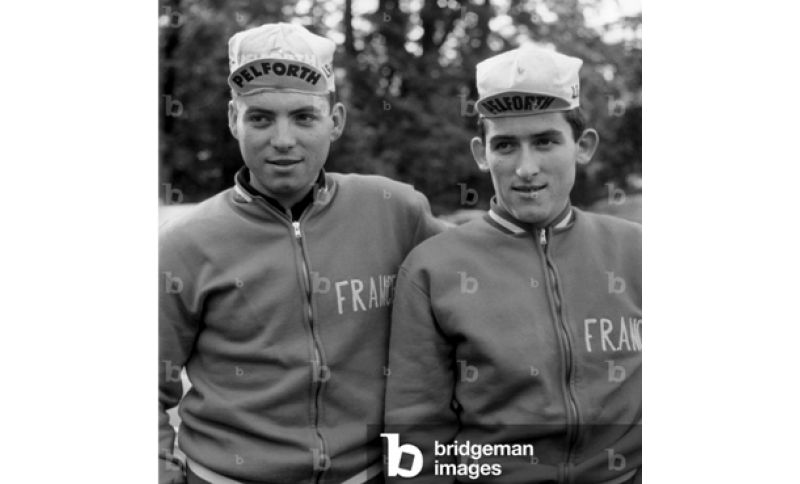
After a four-year hiatus, the race returned in 1966. French brothers Bernard and Claude Guyot, considered the great promises of French cycling at the time, won ahead of Plebani-Santambrogio and their compatriots Sadot-Hildebrand. The Baracchi junior event had another stop before restarting in 1971. On November 4th, the race was held over a distance of 109 kilometers. Francesco Moser and Luciano Borgognoni would win with a 1'37" lead over Bertagnoli-Moretti and 2'25" over the Tonoli-Landini pair.
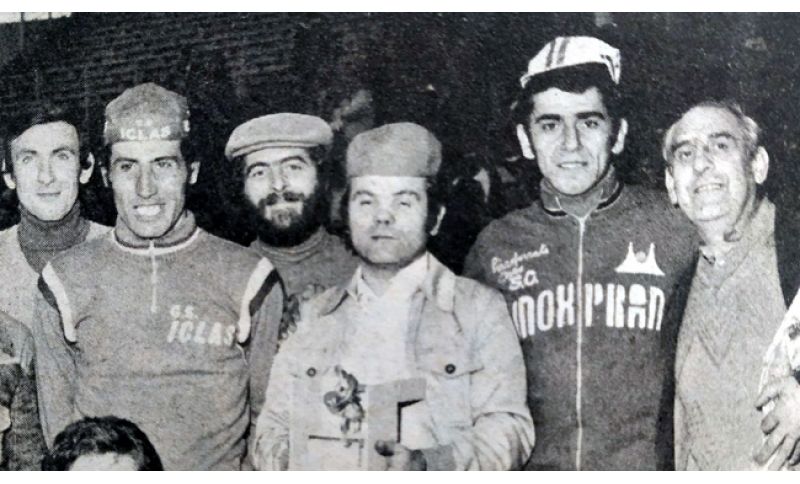
The revenge of Agostino Bertagnoli and Pasqualino Moretti didn't wait long, and in '72 they triumphed with over 3 minutes ahead of Ballardin-Parise and 4'15" over Burgio-Rinaldi. In 1973, Simone Fraccaro and Silvano Rosolen made headlines but didn't have an easy time beating Bettoni-Tonoli, finishing with a 47" gap. The established Bertagnoli-Moretti were further back, third at 2'56". Twelve months later, Osvaldo Bettoni and Giovanni Tonoli decisively hit the target, leaving Masi-Pizzoferrato 1'16" behind and the French Perret-Mathis more than three minutes back. From 1975, a period of dominance began for Orfeo Pizzoferrato, one of the best time trialists of the era, who won three consecutive victories, two with Mario Fraccaro. The first, in '75, was with Donato Masi after a great duel with Bettoni-Tonoli, who finished only 33" behind.
The podium was completed by the third-place Belgian team Heirwegh-Jandko. Together with Fraccaro, Pizzoferrato also won in 1976: Bertagnoli and Polini finished second at 51", while Vittorio Algeri and Roberto Ceruti at 1'41". In '77, the tried-and-tested Pizzoferrato-Fraccaro tandem again dominated the field. They conquered the "Valco" with 2'34" over Noris-Orlandi and 2'41" over the Swiss Dill Bundi-Kaenel. World champion Richard Szurkowski also participated in that edition. The Polish rider, paired with Faltyn, abandoned the race due to indisposition. In 1978, Stefan Mutter and Kurt Ehrensperger were the masters. The two Swiss gritted their teeth to beat the Dutch world champions Oosterbosh-Van Houwelingen, who finished second 31" behind. Pizzoferrato again made the podium, paired with Bincoletto, 1'27" behind the Swiss.
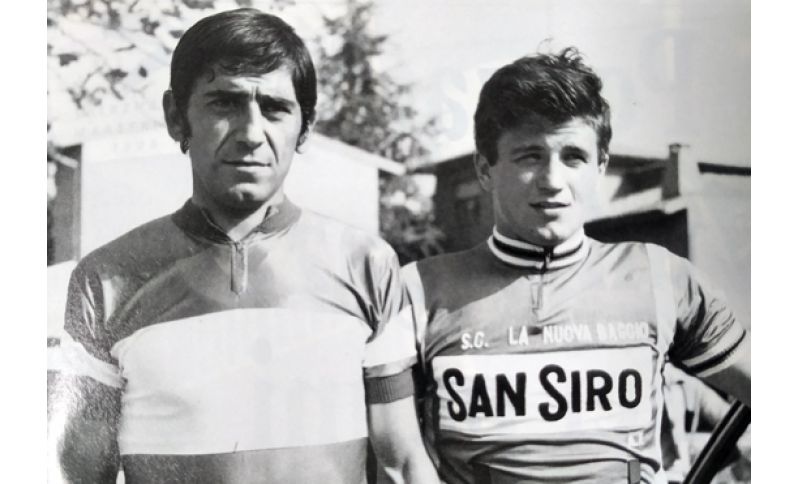
The 1979 edition was also foreign, crowning Dutch Johnny Broers and British Steve Jones, who skillfully contained the Bidinost-Gradi duo with a 56" gap. Third place went to the Belgian team Bierings-De Rooy. Not long after, Bidinost and Gradi (Nuova Baggio San Siro) won the Freccia d'Oro in Auxerre, France. Maurizio Bidinost's reaction didn't wait long, and in 1980, paired with an equally talented athlete like Walter Delle Case, the two Friulian riders dominated the scene at over 47 km/h average.
The Italian pair overtook their compatriots Marco Cattaneo and Mauro De Pellegrin by 36", while third place went to the Dutch Koppert-Solleveld, 1'04" behind. To celebrate its 40th anniversary, the Trofeo Baracchi moved to Tuscany in 1981, presenting a new route from Pisa to Pontedera. Stefano Boni and Mauro De Pellegrin of Giacobazzi won on a 65 km course, taking revenge on the British Akam-Jones who had beaten them by just one second in the Bergamo European GP a week earlier. The Australians Leslie-Wilson finished third at 40". The 1982 edition was signed by Belgians Nico Emonds and Thomas Rogiers, who lived up to the pre-race expectations. The two Flemish riders beat the Dutch Vandisberg and Manders by 40", with Giovanni Bottoia and Secondo Volpi finishing a respectable third, 1'50" behind. The final edition, still from Pisa to Pontedera, was a triumph for Italians Marcello Bartalini and Giovanni Bottoia, who beat the Swedish Haars-Larsson by 2'32" and the Pesci brothers Mauro and Roberto by 2'40". The Trofeo Valco stops here.
HONOR ROLL
1958- Trapè Livio-Bono Ernesto 110 km (45,056)
1959- Venturelli Romeo-Trapè Livio 116 km (44,615)
1960- Vigna Marino-Fezzardi Giuseppe 110 km (43,968)
1961- Tagliani Antonio-Aldovini Ugo 115 km (48,591)
1966- Guyot Bernard-Guyot Claude (Francia) 113 km (43,184)
1971- Moser Francesco-Borgognoni Luciano 109 km (47,391)
1972- Bertagnoli Agostino-Moretti Pasqualino 109 km (46,056)
1973- Fraccaro Simone-Rosolen Silvano 110 km (46,808)
1974- Bettoni Osvaldo-Tonoli Antonio 109 km (46,714)
1975- Pizzoferrato Orfeo-Masi Donato 109 km (46,720)
1976- Pizzoferrato Orfeo-Fraccaro Mario 95 km (46,993)
1977- Pizzoferrato Orfeo-Fraccaro Mario 100 km (46,504)
1978- Mutter Stefan-Ehrensperger Kurt (Svizzera) 80 km (47,368)
1979- Broers Johnny-Jones Steve (Olanda/Gran Bretagna) 67 km (46,263)
1980- Bidinost Maurizio-Delle Case Walter 55 km (47,165)
1981- Boni Stefano-De Pellegrin Mauro 65 km (48,363)
1982- Emonds Nico-Rogiers Thomas (Belgio) 63 km (49,246)
1983- Bartalini Marcello-Bottoia Giovanni 63 km (47,024)


 3
3
 3
3

 Ritratti
 Oscar
Oscar Albi d'Oro


Se sei giá nostro utente esegui il login altrimenti registrati.